
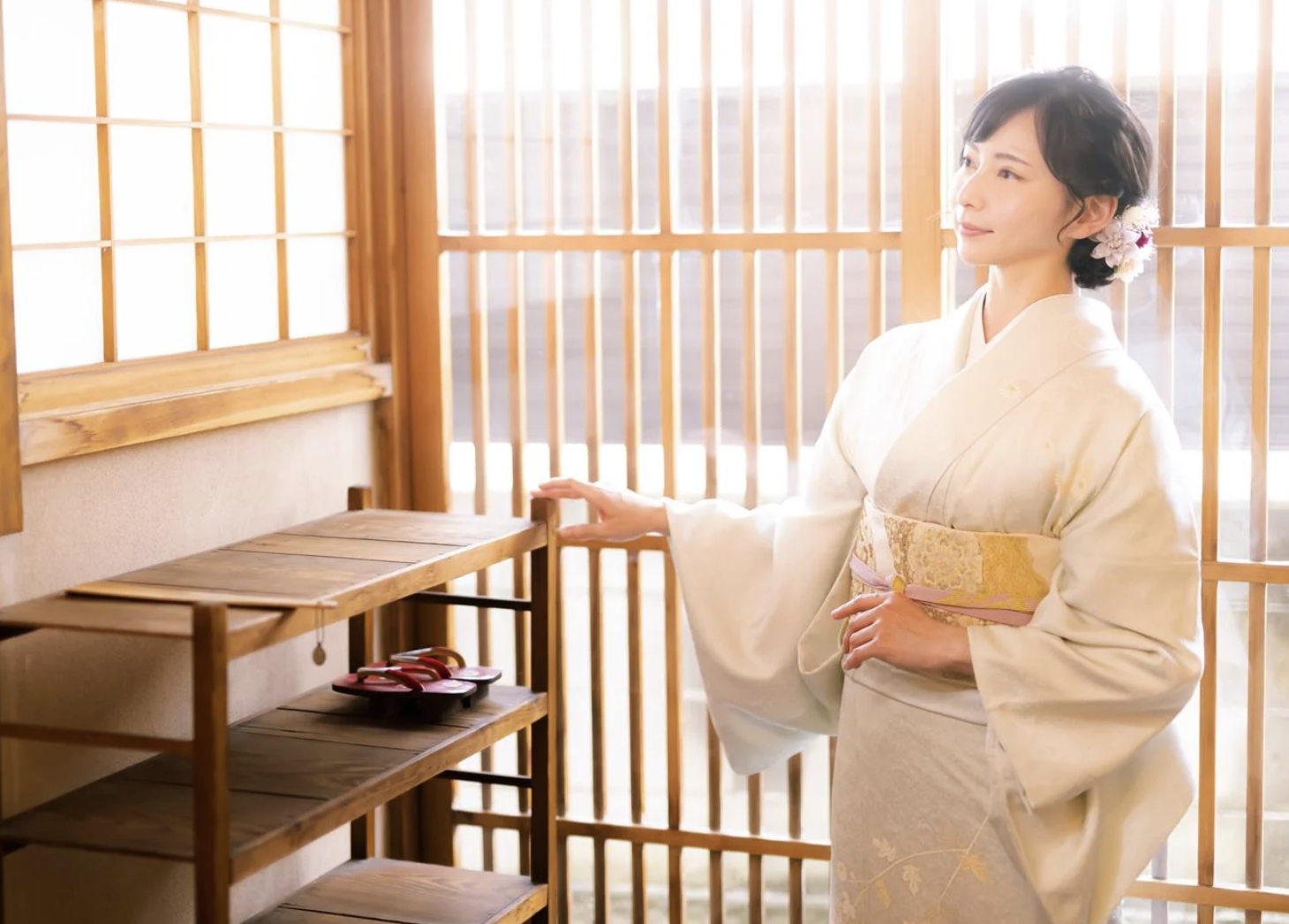
Have you ever had an experience like this?
Wondering what Japanese people are thinking..
Japanese people seem quiet and don’t express their opinions..
Japanese people look like puppets without a will of their own..
If you have this kind of image of Japanese people, you might not be alone.
Here are 10 facts to keep in mind that will make communication more enjoyable if you live in Japan or interact with Japanese people in the future.
Contents
- 1 “Sontaku,” the Unique Culture of Gauging Others’ Feelings
- 2 The “Culture of Reading the Air” Where Sontaku Is Expected
- 3 The “Collectivist Social Structure” Where Reading the Air Was Necessary
- 4 The Depths of a Culture that Respects Ambiguity
- 5 A Society Where “True Feelings” and “Public Facade” Coexist
- 6 The Meaning of “Ma” in Japanese
- 7 “Ambiguity” as a Cultural Aesthetic
- 8 The Use and Evaluation of “Sontaku” in Modern Times
- 9 How Can We Effectively Navigate this Complicated Sontaku System?
- 10 Final Note
“Sontaku,” the Unique Culture of Gauging Others’ Feelings
“Sontaku” means “to gauge another person’s feelings or thoughts.”
* The kanji characters “忖” (son) and “度” (taku) both carry the meaning of “to gauge,” embodying the nuance of ‘measuring’ and “estimating” the other person’s feelings.
For those unfamiliar with Japan, the concept of “sontaku” 忖度 scattered throughout Japanese society may seem strange and difficult to grasp. Those who come to understand that this is a form of consideration within Japanese society often perceive it as excessive in many situations.
However, without an understanding of this sontaku, it is difficult to gain insight into the complexities of communication within Japanese culture.
The “Culture of Reading the Air” Where Sontaku Is Expected
In Japan, the culture of “reading the air” (Kuki wo Yomu 空気を読む) has deep roots. Of course, there aren’t actually words written in the air!
Explaining this Japanese concept in English means sensing the atmosphere and situation at hand, discerning what you should or shouldn’t do, and inferring what others want or don’t want, then acting appropriately. Social and historical factors, as discussed later, are thought to be behind the establishment of this culture.
* By the way, there are certainly Japanese people who can’t read the air. Such people are sometimes called “KY” (Kuki=Air, Yomenaihito=person who can’t read).
The “Collectivist Social Structure” Where Reading the Air Was Necessary
The Origins of Values Prioritizing the Group Over the Individual
For a long time, Japan was a rice-farming society. Rice cultivation required collective labor at the village level due to factors like climate, water management, and shared paddy fields.
In other words, it was an environment where “one could not survive alone,” and keeping pace with others was a survival strategy. In such a society, those who disrupted harmony became a risk and could face exclusion or ostracism. Being deemed a risk and expelled from one’s community at that time was a matter of life and death.
From this, the wisdom of “harmonizing with others,” “keeping a low profile,” and “reading the air” was acquired as a means of survival.
The Depths of a Culture that Respects Ambiguity
Why Do Japanese People “Not Saying It”?
As the following examples illustrate, Japanese employs a high degree of ambiguity compared to other languages worldwide.
- Subjects are often omitted
(e.g., “Done” = meaning “I did it for you”) - Negative expressions that don’t explicitly say no
(e.g., “That makes sense too” = meaning actually disagreeing “OK, You think that way, but I don’t.”) - Indirect ways of refusing
(e.g., “I’ll consider it” = often meaning “No”)
When Japanese people give such seemingly positive responses, they can sometimes mean the exact opposite, so caution is needed. Using words that can be interpreted as either “Yes” or “No” allows the speaker to appear respectful on the surface while lowering the barrier to refusal.
In Japanese culture, where “atmosphere” speaks louder than words, the nonverbal skill of “sontaku” or “reading the air” have long compensated for the lack of explicit verbal communication among Japanese people.
* It’s understandable that someone completely unfamiliar with Japanese culture might react angrily to this kind of non-verbal attack, thinking, “What the heck was that Japanese response?! Is he a liar?” Even as someone steeped in American culture, I must admit I sometimes get fed up with this system of reading between the lines.

A Society Where “True Feelings” and “Public Facade” Coexist
Japanese culture has two distinct aspects:
“true feelings” (本音 honne) and “public facade” (建前 tatemae).
Honne (本音): True inner feelings
Tatemae (建前): Surface-level statements, polite social niceties
Because of this dual structure, Japanese people naturally train from childhood not to take others’ words at face value, but to read between the lines and discern “What do they really think?”
Conversely, this also means it’s a culture where “you have to read between the lines,” and the ability to read the air is strongly demanded as a social skill. This tendency may be stronger when conversing with Japanese individuals who have lived in Japan their entire lives, as opposed to those with a more global perspective.
*However, this dual structure itself likely exists to varying degrees in many country. Many people probably unconsciously switch between two masks to facilitate smooth communication.
*Even after 40 years of living as a Japanese person, I find it impossible to read others’ Honne (true feelings). Simply being aware that Japanese culture has the concepts of “true feelings” and “public facade” can help prevent sad misunderstandings!
The Meaning of “Ma” in Japanese
In Japanese communication, “間 Ma” (pauses or silence) also holds significant meaning.
While in Western culture, silence—a pause in conversation—may sometimes be perceived as anxiety, in Japan it is often utilized in ways such as the following:
- To give the other person time to think
- To respect it as a moment for hearts to connect
This treatment of “pauses” and silence is also part of a cultural sensibility that values ambiguity as a virtue.
*Just as spaces with Zen-like negative space evoke a sense of calm and healing, the pauses between words also seem to have a relaxing effect on the mind.
“Ambiguity” as a Cultural Aesthetic
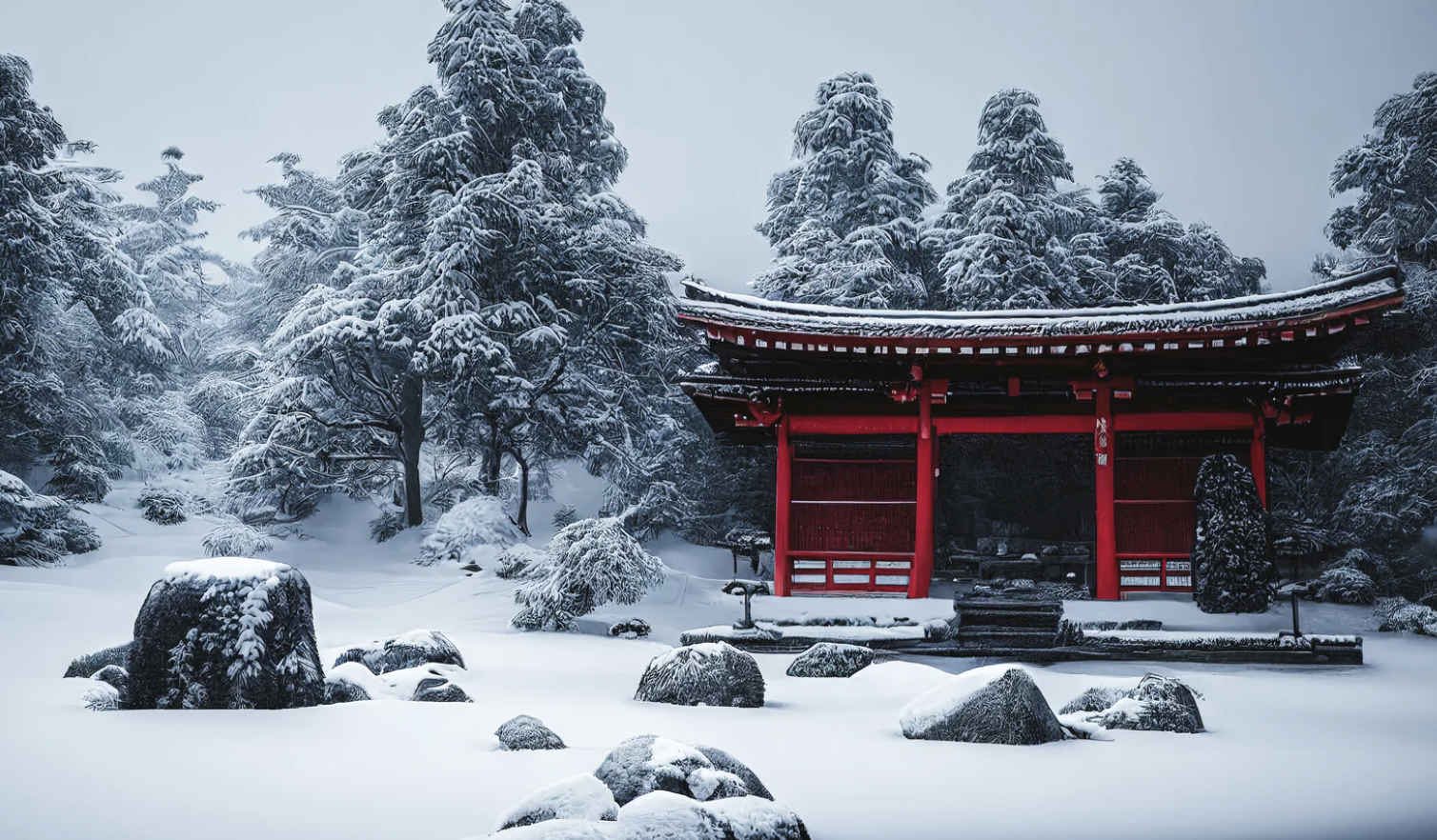
The Japanese find beauty in ambiguity itself.
- Karesansui gardens
- The beauty of negative space in haiku and tanka
- Ambiguous seasonal sensations (the rainy season, autumn’s prolonged rains)
This can be seen as an expression of sensibility where “not stating things explicitly” and “not making definitive judgments” are instead regarded as signs of refinement and depth. Reading between the lines, discerning meaning from atmosphere—such subtle movements of the heart form the core of Japanese culture.
The Use and Evaluation of “Sontaku” in Modern Times
Examples of Sontaku in Modern Society
In modern Japanese society, “consideration” is sometimes used in situations like the following:
- Taking care not to upset one’s superior
- Anticipating customer needs to adjust services
- In the political world, acting by reading the room even without explicit instructions
Thus, it strongly implies “acting by discerning unspoken intentions, even when not explicitly told.”
- Develop the ability to discern genuine feelings from surface-level politeness
- Hold your own opinions while imagining the other person’s perspective
To understand Japanese society, where reading between the lines runs rampant, cultivating this sense of balance is essential.
Final Note
The Culture of Reading the Air and Sontaku Was Japanese Wisdom
Anticipating others’ feelings involves gauging their emotions and intentions, and is both a positive and negative aspect of Japanese culture.
Reading the air is not merely a matter of manners; it reflects a historically rooted culture that values collectivism and ambiguity.
While excessive consideration can become problematic, at its core, it is an action that encourages thoughtfulness and harmony. Reading this article really makes me realize how deeply we Japanese have been raised to communicate in complex ways… After finishing this article, I can’t help but feel that people might think we’re some kind of psychopaths.
That Japanese acquaintance of yours who seems a bit hard to approach might have cultural backgrounds hidden beneath the surface that you never imagined. Please try to enjoy deep communication with Japanese people, keeping these cultural backgrounds in mind! I sincerely hope that misunderstandings stemming from language and culture decrease, leading to a world where we can accept and acknowledge each other.
Thank you for reading to the end!